By Rudy Maquin
May 1, 2026
Basic tree trimming may work for some jobs, but other tasks may require more comprehensive tree care services. Understanding the differences between these two methods can help you make an informed decision about what's best for the trees on your property. Trees play a crucial role in our environment, offering shade, beauty, and ecological benefits to our homes. However, the way we maintain them significantly affects their health and longevity, which makes choosing the right service imperative.
Explaining Basic Trimming
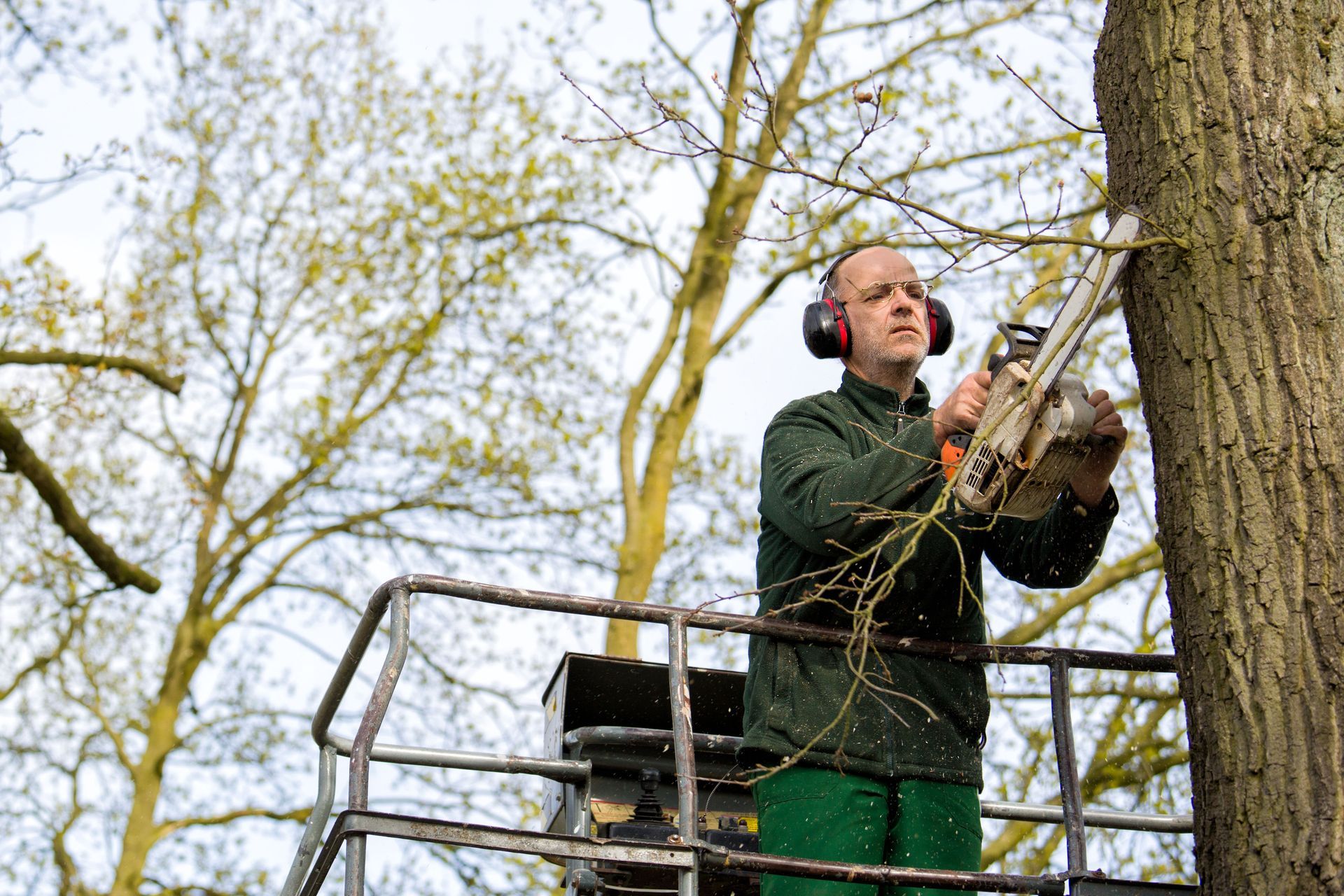
Pruning and other forms of basic trimming involves the selective removal of branches to improve a tree's shape, health, or aesthetics. Its primary goal is to remove dead, damaged, or diseased branches to promote healthy growth. While basic trimming is mainly about enhancing the visual appeal of trees, it also serves to prevent safety hazards caused by falling branches. Establishing a clear purpose for trimming helps in performing precise cuts that contribute to the tree's overall well-being. Regular pruning also helps control the size of the tree, ensuring it does not interfere with power lines or structures.
Basic trimming requires a variety of tools, each serving a distinct function. Commonly used tools include hand pruners for small branches, loppers for thicker limbs, and pruning saws for larger cuts. The choice of tool largely depends on the diameter of the branches being trimmed. For trimming tasks that extend far above ground level, pole pruners and ladders are often employed. Proper maintenance of these tools is vital to ensure clean cuts, which are essential to prevent tree health problems.
The timing and frequency of basic trimming depend on the species and growth habits of the tree. Generally, late winter or early spring is recommended for most trees before new growth starts. In our experience, regular trimming every one to three years helps mature trees maintain their shape and health. However, it's crucial to adapt the trimming schedule to the tree's specific needs, as some species may require more frequent attention.
Understanding Comprehensive Tree Services
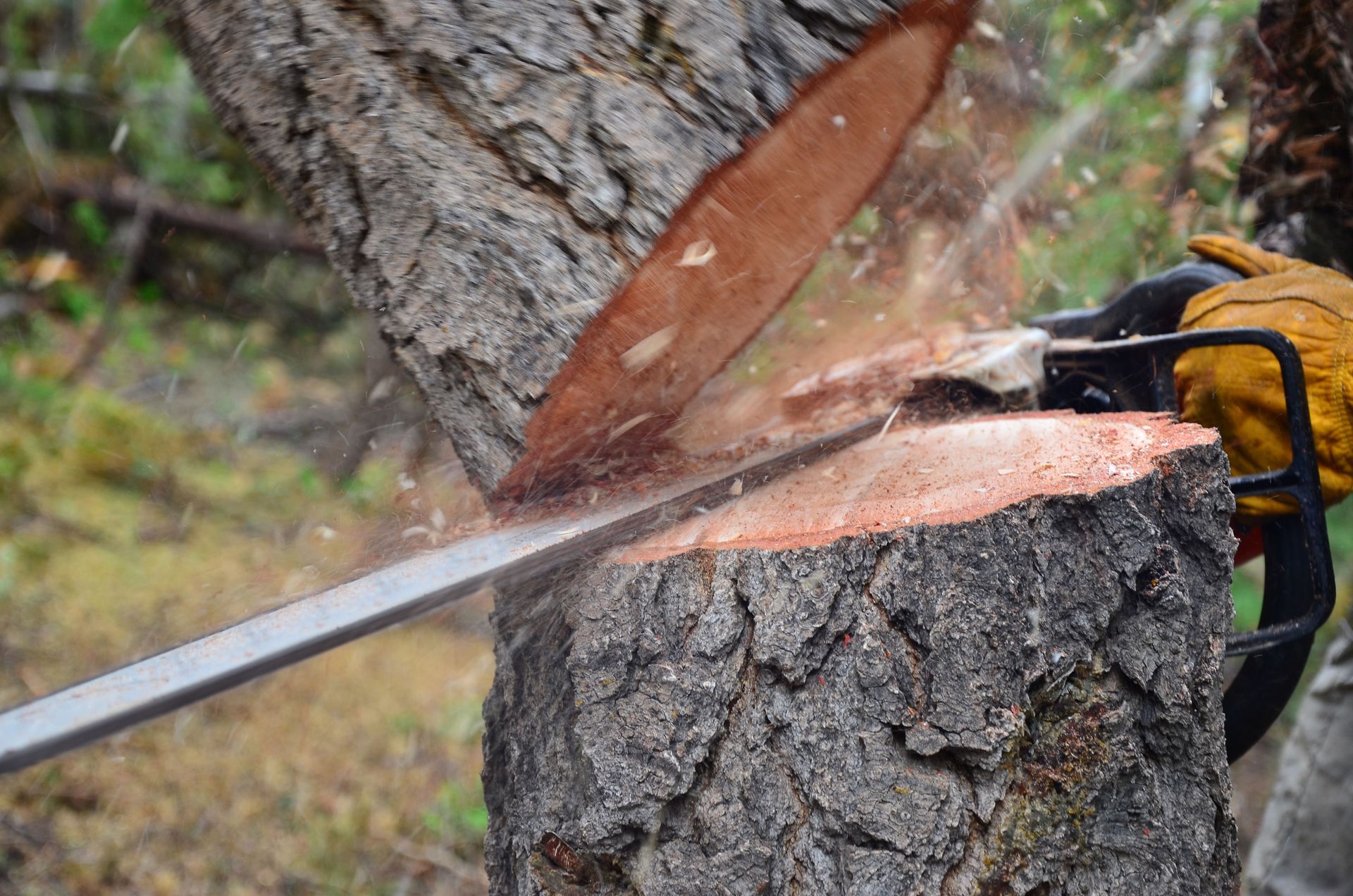
Comprehensive tree services encompass a wide range of interventions beyond basic trimming. These services include tree removal, disease diagnosis, pest control, soil aeration, and cabling and bracing. The goal is not just to maintain appearance but to enhance overall tree health and safety. Full-service tree care providers are equipped to handle all aspects of tree maintenance, ensuring that trees remain healthy and strong throughout their lives. With a holistic approach, these services cover every potential threat to tree health, offering tailored solutions to meet individual landscape needs.
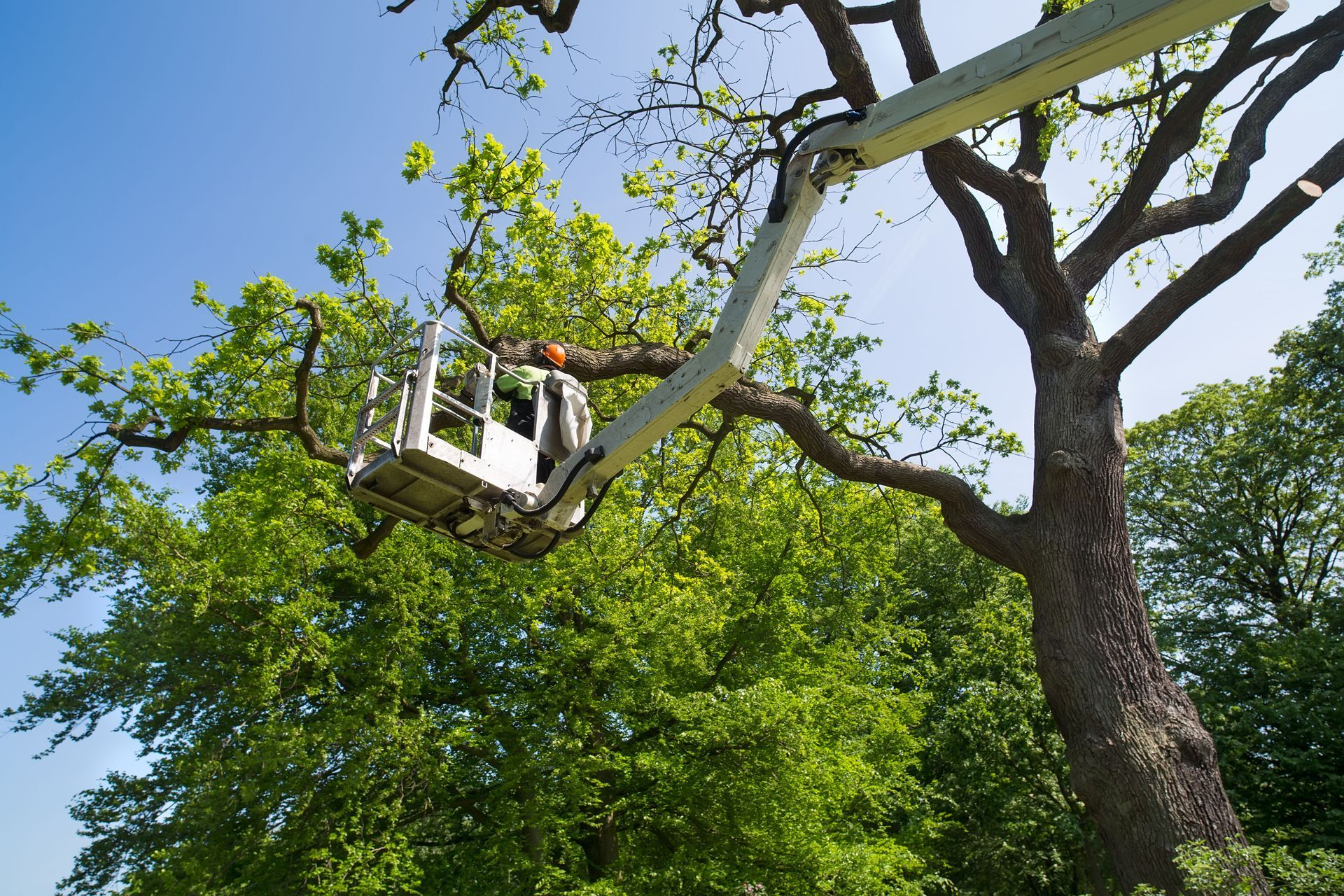
Advanced tree care involves the use of sophisticated tools and techniques beyond household pruning shears. These may include aerial lifts for accessing difficult areas, advanced diagnostic tools for disease detection, and specialized machinery for safe tree removal. Comprehensive care often incorporates scientific methods like soil analysis and nutrient injections to address deeper issues. The use of technology enhances precision and effectiveness in maintaining tree health. Adopting these modern methods ensures that trees are treated with the latest advancements in arboriculture.
The primary objective of comprehensive tree services is to ensure the health, safety, and longevity of trees. By tackling diverse factors affecting tree well-being, these services aim to maintain robust and sustainable species within our landscapes. Comprehensive tree care considers the entire ecosystem, promoting biodiversity, and ecological health. Through proactive measures such as pest management and disease prevention, comprehensive care guards against potential threats before they escalate.
Comparing Costs of Basic vs. Comprehensive Services
Initially, basic trimming often appears more affordable compared to comprehensive tree services. The costs associated with basic trimming primarily include labor and equipment for periodic maintenance. In contrast, comprehensive services require advanced tools, diagnostics, and professional expertise, which contribute to higher upfront expenses. However, it's essential to view these costs in the context of long-term tree health and stability. Comprehensive services offering preventive care can mitigate future expenses related to potential tree damage or disease.
Investing in comprehensive tree services can yield significant long-term financial benefits. Well-maintained trees enhance property value and curb appeal, justifying the initial investment in thorough care. Additionally, by addressing underlying health issues early, comprehensive services can prevent costly repairs or property damage. Basic trimming may seem cheaper initially but might lead to higher expenses in the absence of preventive measures.
Certified arborists play a crucial role in executing comprehensive tree services. These professionals have in-depth knowledge and expertise, enabling them to assess tree health accurately and recommend appropriate interventions. Their qualifications and experience make them adept at devising customized care plans tailored to the specific needs of each tree. According to Harris Poll research, while 90% of yard owners believe maintenance is important, two out of three would prefer to hire a professional for their trees and shrubs, citing the complexity and risk as the primary reasons for outsourcing.
Maintaining Environmental Responsibility
Tree care services play a significant role in promoting tree health and longevity. While basic trimming maintains visual appeal, comprehensive services ensure the essential health factors contributing to prolonged lifespans. Regular care that addresses both visible and hidden issues promotes stronger, more resilient trees. By preventing diseases, managing pests, and improving soil conditions, comprehensive services effectively sustain tree health over time. This proactive approach encourages property owners to preserve and nurture their trees for future generations.
Tree services significantly impact biodiversity and the conservation of habitats within local ecosystems. Healthy trees support diverse species by offering habitats, food, and shelter, while diseased trees might fail to sustain them. Comprehensive care fosters consistent tree health, contributing to stable and thriving ecosystems. Additionally, restoring tree health improves their ability to support wildlife and combat habitat loss.
Sustainable practices in comprehensive tree services prioritize ecosystem health and minimal environmental impact. Adoption of eco-friendly products, reduction of chemical use, and promotion of biodiversity are key elements of sustainable tree care. Advanced techniques aimed at reducing resource waste, such as water conservation and soil recycling, further these goals. By embracing sustainable practices, tree care services align with global environmental efforts and offer long-term ecological benefits.
Choosing the Right Service for Your Needs
Evaluating tree health is essential in determining the appropriate type of tree service. Observing visible signs such as discoloration, wilting, or unusual growth patterns offers initial health indicators. Consulting certified arborists for comprehensive assessments provides deeper insights and identifies underlying health issues. Expert evaluations guide decisions on whether basic trimming suffices or if broader interventions are necessary. Proper diagnosis ensures targeted care strategies that effectively address each tree's specific needs.
Establishing clear criteria for service selection facilitates informed decision-making. Factors such as tree species, age, location, and environmental impact influence the choice between basic and comprehensive services. Understanding your landscape objectives and budget constraints further narrows down suitable care options. Evaluating service provider expertise, certifications, and reputation ensures that chosen services align with your landscape goals. These criteria guide property owners in selecting a tree care approach that best suits their unique circumstances.
Conducting interviews with potential service providers helps gauge their expertise and suitability. Prepare questions focusing on their qualifications, experience, and approach to tree care. Inquiry into their philosophy regarding sustainability and ecological responsibility provides insights into their values. Requesting references and examples of past work assesses their ability to meet your specific needs.
Distinguishing between basic trimming and comprehensive
tree services is integral to informed landscape management. Recognizing the diverse range of services available allows property owners to choose the care approach most aligned with their goals and circumstances. While basic trimming enhances aesthetics, comprehensive services safeguard long-term tree health and ecological benefits. The right service depends on your specific needs. If you have any questions, comments, or concerns, consider reaching out to Jesse's Tree Service, and seeing what we can do for your property.